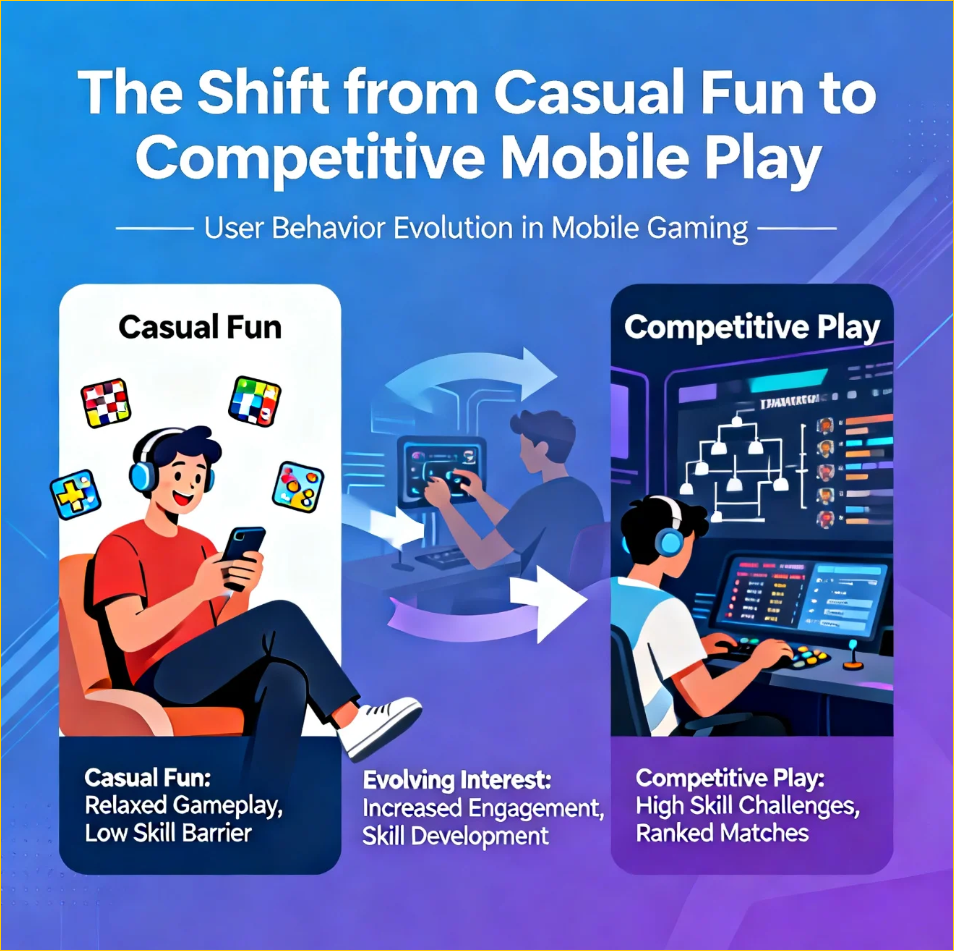
Mobile gaming has long been associated with casual entertainment—bite-sized experiences designed for short sessions and easy accessibility. However, the landscape is evolving. Today, mobile games are becoming serious competitive platforms, drawing players into intense tournaments, esports leagues, and strategic gameplay that rivals traditional console and PC gaming.
From Casual to Competitive
Early mobile games like Candy Crush or Angry Birds were all about quick fun and relaxation. These games relied on simple mechanics, social sharing, and addictive loops to attract a broad audience.
Now, games like PUBG Mobile, League of Legends: Wild Rift, and Clash Royale demonstrate that mobile platforms can support highly competitive, skill-based play. Players are no longer just tapping for fun—they are strategizing, practicing, and competing for rankings, rewards, and recognition.
The Role of Esports
Esports has been a driving force behind this shift:
- Mobile tournaments offer cash prizes and sponsorship opportunities.
- Live streaming allows players to gain fan followings and social recognition.
- Global competition encourages skill improvement and meta strategies.
Competitive mobile play has transformed gaming from a leisure activity into a career path for skilled players.
Social Features and Community Impact
Competitive mobile games leverage social features to enhance engagement:
- Guilds, clans, and teams foster collaboration.
- In-game chat and live streaming create a sense of belonging.
- Leaderboards and ranking systems encourage continuous improvement.
The result is a strong, competitive community that mirrors traditional esports ecosystems.
Technology and Gameplay Advancements
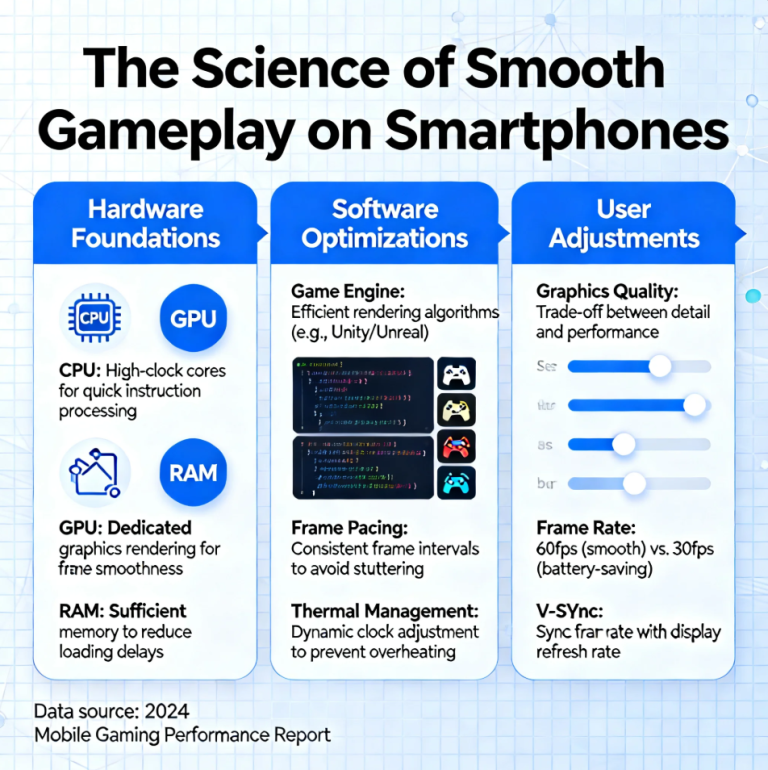
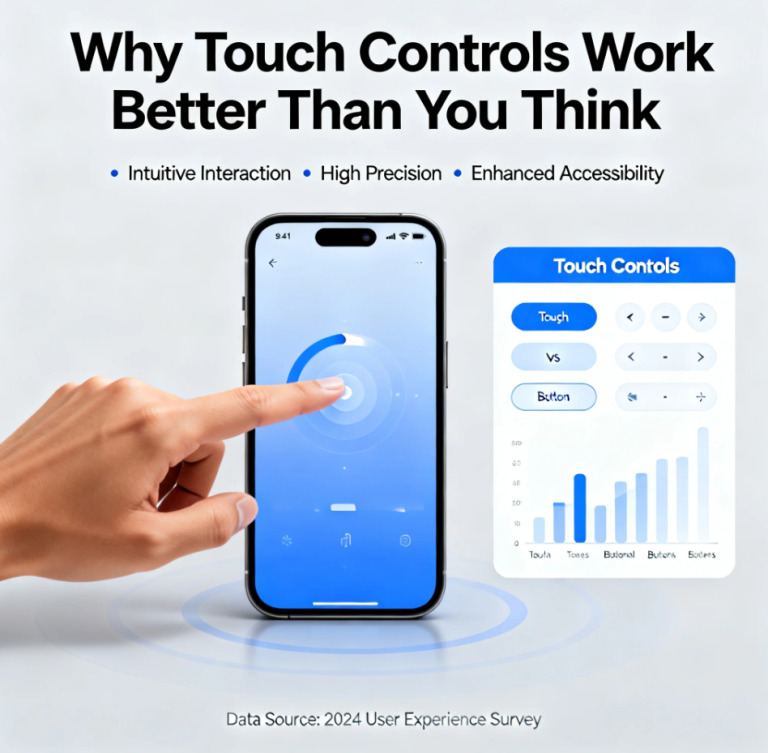
Modern mobile devices now support advanced graphics, low latency, and precise controls, allowing competitive play to flourish. Features like ranked matchmaking, adaptive difficulty, and skill-based matchmaking ensure fair competition and replayability.
The technology also enables cross-platform play, expanding the competitive ecosystem to include PC and console players, further blurring the line between casual and professional gaming.
Why This Shift Matters
The evolution from casual to competitive mobile play reflects a broader trend in the gaming industry:
- Players demand more depth and challenge from mobile games.
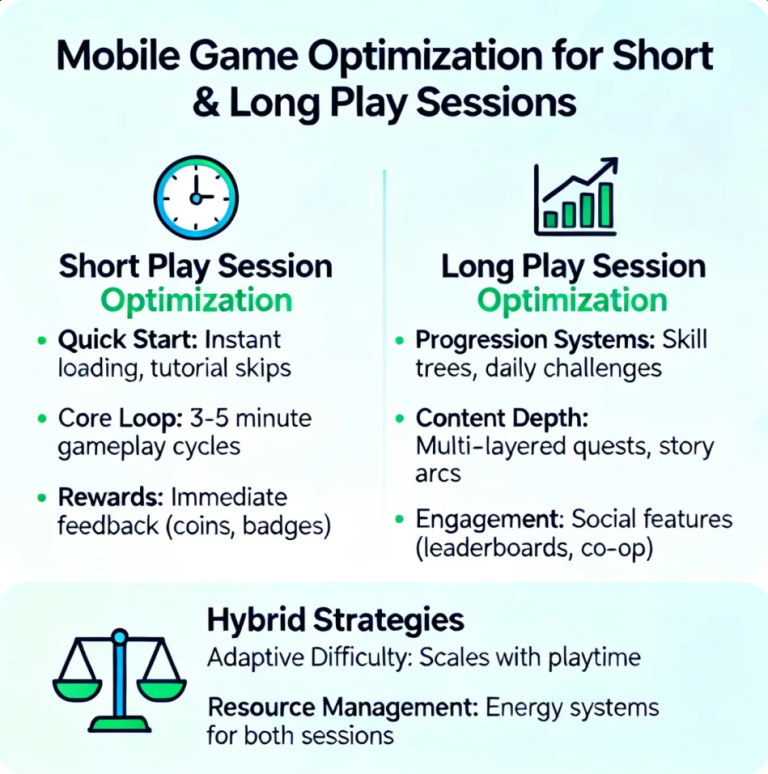
- Developers invest in long-term engagement rather than short-term retention.
- Mobile gaming is now a legitimate competitive arena, attracting sponsorships, esports events, and a global audience.
This shift highlights the growing legitimacy of mobile gaming in the world of competitive play and esports.
Final Thoughts
What was once a realm of casual fun is now a thriving hub of competitive strategy, skill, and social connection. Mobile games continue to evolve, offering players the chance to engage, compete, and excel in ways that were unimaginable just a decade ago.
The future of mobile gaming is not just casual—it’s competitive, connected, and immersive.
About the Author